Introduction
In the realm of construction and various contractual obligations, securing a contract bond is pivotal. A contract bond serves as a guarantee that a party will fulfill their obligations as per the agreed terms. But how does one go about obtaining this crucial financial instrument? The answer lies in understanding The Role of Underwriting in Securing Your Contract Bond. This article will delve deep into the intricacies of underwriting, its significance, and how it connects to contract bonds, ensuring you have a comprehensive grasp of this essential process.
Understanding Contract Bonds
What is a Contract Bond?
A contract bond is essentially a three-party agreement between the principal (the party who undertakes the obligation), the obligee (the party requiring the bond), and the surety (the issuer of the bond). In simple terms, if a contractor fails to meet their obligations, the surety compensates the obligee.
Types of Contract Bonds
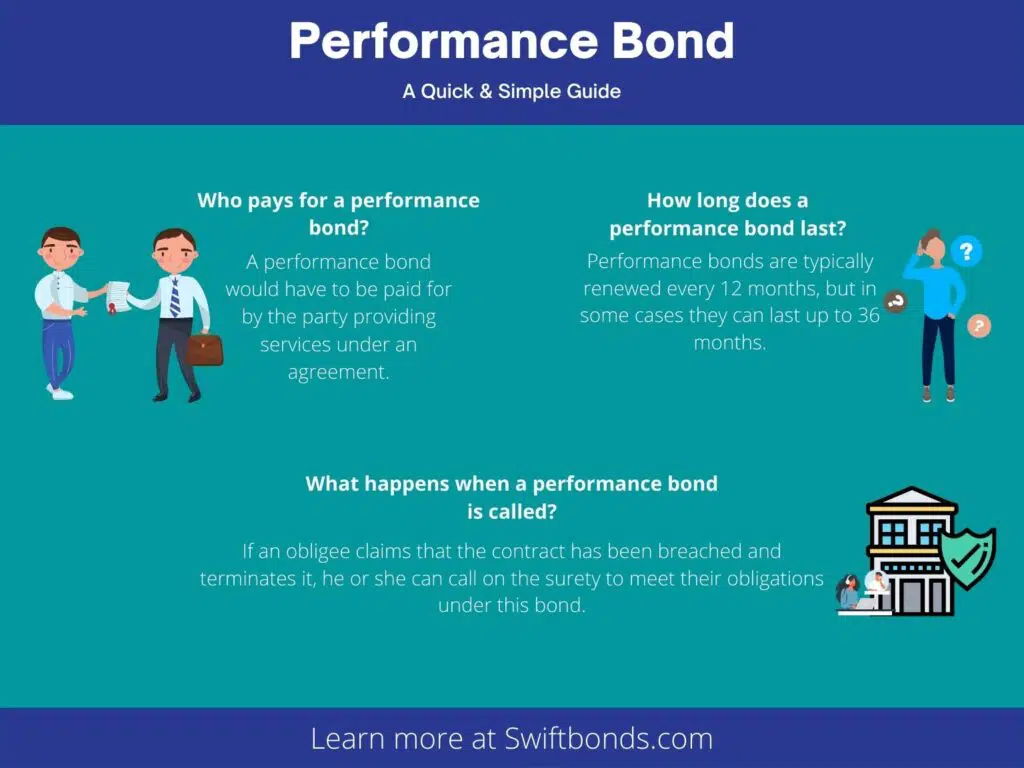
Bid Bonds: These are submitted with bids to demonstrate the bidder's commitment. Performance Bonds: These ensure that contractors complete projects according to specifications. Payment Bonds: These guarantee that subcontractors and suppliers get paid.Importance of Contract Bonds
Contract bonds protect project owners from financial loss and ensure that contractors adhere to their commitments. They are often required for public contracts.
The Underwriting Process in Detail
What is Underwriting?
Underwriting is the process by which an individual or institution evaluates risks associated with insuring or bonding an entity. This evaluation helps determine whether to issue a bond and at what premium.
The Role of Underwriters
Underwriters assess risk factors such as credit history, financial stability, and project specifics before deciding on issuing a bond.
Steps in the Underwriting Process
Application Submission: The applicant submits necessary documents. Risk Assessment: Underwriters evaluate financial health. Decision Making: A decision is made based on assessed risks. Bond Issuance: If approved, the bond is issued with specified terms.Factors Influencing Underwriting Decisions
Credit History
A strong credit history can significantly enhance your chances of securing a contract bond. Lenders look for reliability and past performance indicators when evaluating applicants.
Financial Stability
Underwriters analyze balance sheets, profit margins, and overall financial health to determine risk levels.
Project Details
The nature and scope of the project play crucial roles—larger projects may require more scrutiny due to license and permit bonds FAQ higher stakes involved.
Common Misconceptions about Underwriting
Is Underwriting Just Formalities?
Many believe underwriting is merely bureaucratic red tape, but it's fundamentally about risk assessment and management.
Only Large Companies Need Underwriters
This misconception overlooks small businesses' ability to secure bonds through thoughtful underwriting processes tailored for them.
The Impact of Risk Assessment on Your Contract Bond
Understanding Risk Levels
Every project carries inherent risks that underwriters must evaluate carefully. Failure to do so could result in severe repercussions for all parties involved.
How Risk Affects Premiums
Higher perceived risks often lead to increased premiums for contract bonds—a crucial consideration for any contractor seeking coverage.
Navigating Challenges in Securing Your Contract Bond
Common Obstacles Contractors Face
- Insufficient creditworthiness. Lack of experience in similar projects. Non-compliance with local regulations.
Overcoming These Challenges
Contractors can improve their applications through better financial management and demonstrating past successful projects.
The Role of Documentation in Underwriting
Essential Documents Required
Financial Statements—showing profitability. Project Plans—outlining scope and timeline. Personal and Business Credit Reports—revealing creditworthiness.How Documentation Influences Decisions
Thorough documentation can significantly sway an underwriter’s judgement positively or negatively regarding your application.
Importance of Communication with Underwriters
Building Relationships
Establishing rapport with underwriters can lead to smoother interactions throughout the underwriting process.
Asking Questions
Don’t hesitate to ask questions if certain aspects are unclear; clarity can make all the difference in securing your contract bond successfully.
Tips for Successful Underwriting Applications
Prepare Thoroughly Before Applying
Understand what underwriters look for—they appreciate transparency and preparedness from applicants seeking contract bonds.
Be Honest About Risks
Disclose all potential risks associated with your project candidly; honesty fosters trust between you and your underwriter.
Evaluating Different Sureties
Importance of Choosing Wisely
Not all sureties are created equal; opt for those with solid reputations within the industry to ensure reliable backing for your contract bond needs.
Comparing Sureties
Evaluate different sureties based on:
- Financial strength. Claims handling reputation. Customer service experiences shared by others in your network or online forums.
The Post-Approval Process: What Comes Next?
Understanding Your Obligations
Once approved for a contract bond, familiarize yourself with ongoing obligations tied to maintaining it throughout your project's duration—failure could lead to penalties or termination!
#
Monitoring Performance Regularly Keep track of performance metrics during project execution; proactive management ensures compliance remains intact while minimizing risk exposure over time!
When Things Go Wrong: Handling Claims against Your Bond
Understanding Claim Processes
In unfortunate cases where claims arise against your bond due to non-performance or disputes over payment issues—the process typically involves formal notifications followed by investigations into claims raised!
#
Steps You Should Take Immediately After A Claim Is Filed Engage promptly with both parties involved! Gather evidence supporting your position while cooperating fully throughout investigative efforts initiated by surety providers—they’ll guide you through navigating complex claim procedures effectively!
FAQ Section
1. What exactly does an underwriter do? An underwriter assesses risk levels associated with issuing bonds based on various factors like credit history and project details before making decisions about approvals or denials accordingly!
2. How long does underwriting take? Typically ranges from several days up until weeks depending on complexity surrounding applications—but timely submission alongside thorough documentation helps expedite processes significantly!
3. Are there specific qualifications needed for getting bonded? While requirements may vary across jurisdictions & industries—most commonly involve demonstrating sufficient experience within relevant fields along with sound fiscal practices proving financial capability sustaining obligations tied directly back towards bonded activities undertaken!
4. Can I still secure a contract bond if my credit isn’t great? Yes! While having strong credit can facilitate approvals—it isn’t always mandatory; showcasing other strengths like good references & solid business plans also contribute positively during evaluations undertaken by prospective sureties interested engaging potentially together!
5. Will my premiums increase if I file claims? In many instances yes—the perception exists among insurers that frequent claim filings indicate higher-risk profiles warranting increased premium pricing structures long-term down lines affecting future bonding opportunities pursued subsequently thereafter!
6. What happens if I can't fulfill my contractual obligations? If unable fulfilling contractual duties outlined—you might trigger claims against existing bonds issued leading potential legal repercussions incurred alongside possible penalties imposed by regulatory authorities overseeing engagements undertaken therein–be mindful remaining vigilant safeguarding compliance at every turn!
Conclusion
Understanding The Role of Underwriting in Securing Your Contract Bond can be transformative not only for securing necessary financing but also establishing credibility within industry circles built around trustworthiness ultimately fostering growth opportunities ahead! By recognizing how vital each step involving underwriting processes truly becomes—it empowers contractors everywhere equipped knowledge navigate complexities confidently while fulfilling commitments successfully paving pathways toward achieving ambitious goals envisioned long-term ahead too!